Based on detailed monitoring of developments over almost 15 years, the extensive critique of renewables inefficiencies and the refined currently correcting calculations for a tower-based hybrid system, the summary aggregates positions of ‚Vertical Hybrid Energy Towers‘ as solution to end Renewable Overbuild Era with more advanced concepts.
Summary Status Quo:
After a decade of monitoring mostly sub optimal photovoltaic (PV) deployments, the physics and economic failures of horizontal or low-tilt solar installations have become reportedly undeniable and mean mostly a long-term threat for environment in Northern and Central latitudes, too. First to prepare possible locations by eliminating existing functional environment and second by keeping otherwise better used areas blocked for too long, which destroys natural soil structures also irreversible around the horizontal installations over years.
Main aspects and reasons for inefficiency:
- Winter performance: Inability to capture low-angle sun.
- Operational losses: Snow accumulation, dust and pollen settling, surrounding heat buildup or blind surfaces after longer rainfall periods or snowing phases, that slash output.
- Grid instability: Uncoordinated midday power dumps leading to price crashes and wasted energy, resulting in higher true costs- stretched manufacturing emissions payback, increased resource consumption and looming not well recyclable waste mountains, left for example after panel replacements.
- Grid non-resilience: Lower functionality because of dynamic meteorological conditions is especially in regions with changing seasons a high risk factor related to required operation reliability.
- The total economic damage caused by miscalculations and a lack of professional expertise in the field of renewable technologies can be already estimated at hundreds of billions of dollars, taking into account all areas recorded to date that will be left unusable for future generations if the current installation practice is not changed immediately or modified.
The Paradigm Shift: The Vertical Hybrid Energy Tower
Key Advantages of the Tower Concept:
- Physics-aligned Solar Performance: With near-vertical orientation in high-irradiance desert locations (like in Dubai for example) or areas with snow/soiling penalties, compared to standardized horizontal installations, less energy wasting because of smart application would be effective. It captures morning evening peaks that align perfectly with grid demand, with multi-orientation, maximizing daily generation. The taller the tower, the better the results, which is based on the Albedo effect and avoids possible fire damages, if attached to close to floors and Earth’s surface in already hot zones like Africa or Southern Europe.
- True Grid Reliability (The Nuclear Core): By pairing solar with a high capacity-factor SMR (300 MW-class, delivering ~2,500 GWh/year), the tower provides firm, 24/7 base load power. This eliminates the need for massive overbuild, extensive battery storage, and the associated resource losses required by pure renewables, which comes with additional higher costs.
- Minimal Footprint, Maximum Output: This hybrid approach packages the output of a conventional power plant (enough for ~500,000 homes) into a single, land-efficient vertical structure, freeing up land for other uses while centralizing grid interconnection. Basis is a significantly more effective use of the Albedo effect, achieved by standardizing vertical structures rather than installing horizontal structures close to the ground, which seal unnecessarily off the surface and are inefficient. Piling up for space.
- Ending the Waste Cycle: By maximizing output per panel and per fuel rod, the tower reduces the „energy sprawl“ of manufacturing emissions and future waste, offering a sustainable path forward that avoids increasing recycling costs.
- Saving Space and Species: By installing Tower concepts, these kinds of renewable technology could be applied in countries with less spacious conditions, freeing up land for other uses like agricultural economies or housing, while centralizing grid interconnection. Possible would be also installations in maritime areas or directly in oceans to replace completely environment damaging wind energy constructions in front of coastlines.
- Expertise and Experience: Nuclear resources use in relevant fields are permanently improved processes, represented since the first application as energy resource to ensure safety and health standards in society over 60 years ago, starting with Marie Curies and Lise Meitners first research results at the beginning of the 20th century. In combination with options of outer space storage of radioactive residuals to implement more advanced and efficient circuit managements, remaining doubts or the search for suitable final storage options directly on the planet as usus until 21th century, become finally almost obsolete and irrelevant.
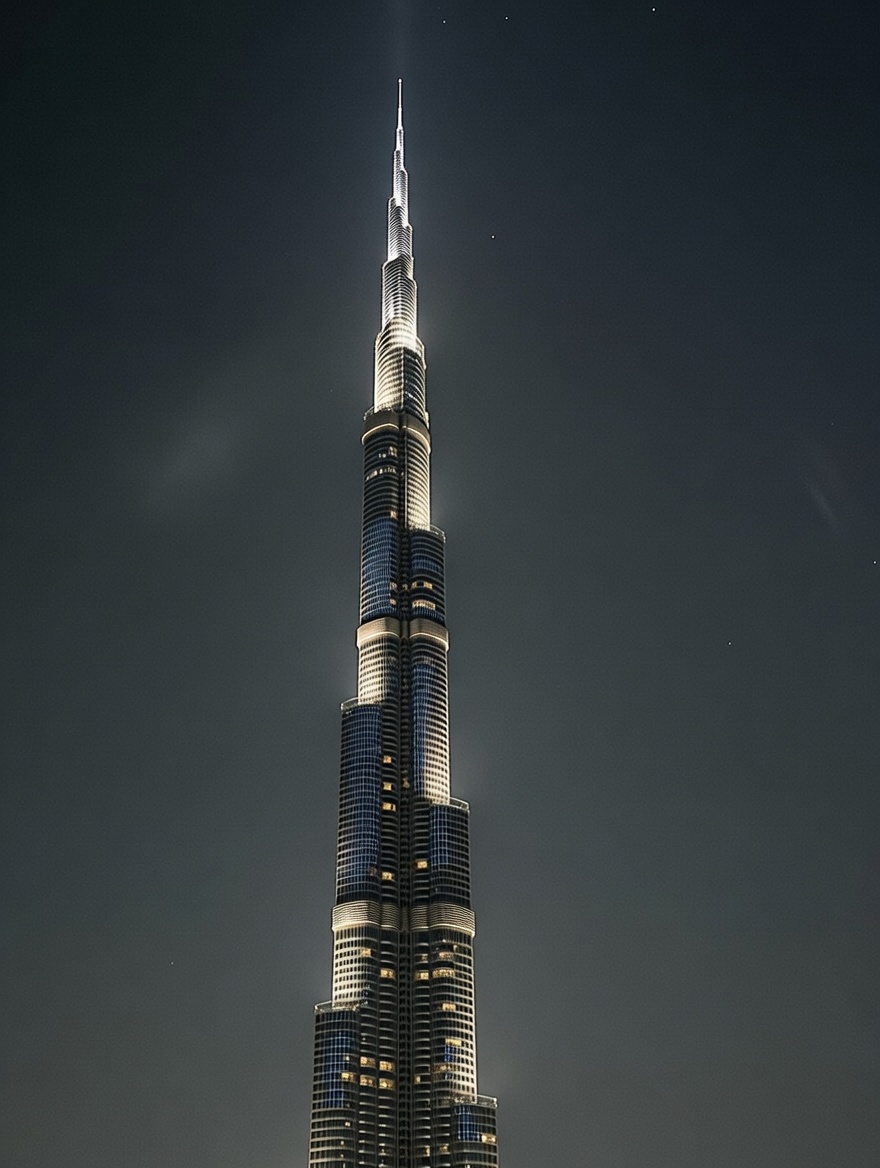
Example Architectural Building Structure / Scheme- Example: Burj Khalifa
Burj Khalifa is actually the world’s tallest building, a 828-meter (2,716.5 ft) „Vertical City“, and was designed as mixed-use tower featuring residential, hotel, and corporate spaces. Inaugurated on January 4, 2010, it stands as a global icon honored by the Council on Tall Buildings and Urban Habitat.


- Massing: It features a triple-lobed, abstracted Y-shaped floor plan arranged around a central core. This modular configuration provides inherent structural stability and maximizes views of the Arabian Gulf Region with every added floor level until the top.
- Silhouette: The tower incorporates 26 helical setbacks that incrementally reduce its cross section as it spirals upward, creating a dynamic and slender silhouette. The central core culminates in a telescopic spire, which completes the structure and houses communications equipment.
- Structural System: The system uses high-performance reinforced concrete
walls. The wings of the basic floor plan act as main foundation to support the central core, providing an extremely efficient and stable structure. - Foundation: The tower rests on a large reinforced concrete mat (partially up to 4 meters thick) supported by steel stabilized concrete piles placed several meters deep in the ground.
- Wind Engineering: The building’s spiraling shape and varying floor plates were specifically designed to guiding wind, preventing it from becoming organized and thereby minimizing vibration to flatten the amplitude curves of aerodynamic influences.
- Material Quantities: The construction utilized a record-breaking 330,000 cubic meters of concrete, 39,000 tonnes of steel reinforcement, and 103,000 square meters of glass.
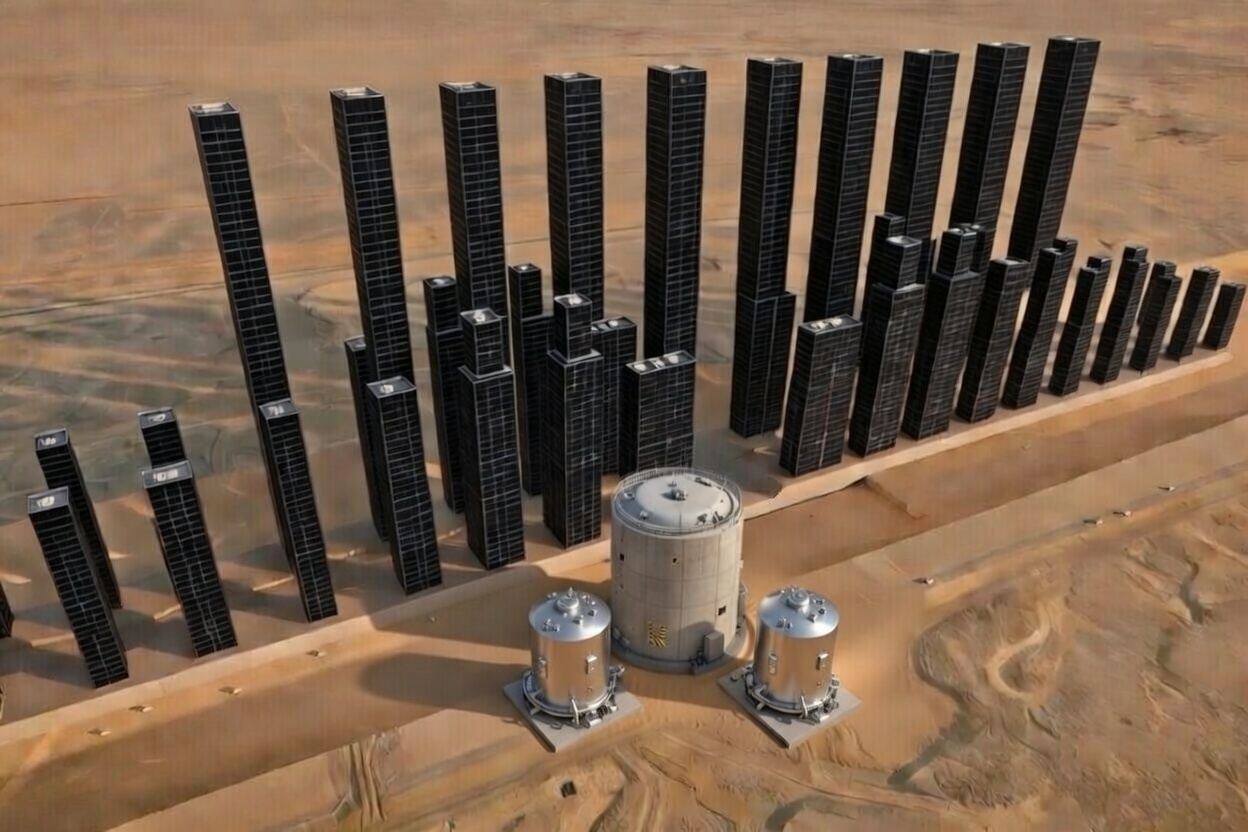
- Facade: The exterior features a high-performance curtain wall of glass and stainless steel, covering 135.000 m2 with ~ 25000 panels ( > 50 GWh/ inclusive SMR up to > 2500 GWh ) as construction in the example buildings dimension. The SMR as subterranean placed installation under the buildings basement or directly in the first levels with facade coverings meets all relevant security conditions by the concrete foundation as mentioned and guarantees a permanently operable energy source. As modified building, respectively utility architecture no habitation units are foreseen in the Vertical Hybrid Energy Tower concept as efficient functional unit to place everywhere, regardless if in desert regions, at sea sides or areas with less than 100 km2 nominal usable ground like for example tiny countries or archipelagos .
More information about the building > Construction details
2026 © Jasmin Liebetrau I Concept I Vertical Hybrid Power Tower – Piling up for Space
The alternating Advanced Infrastructural Architecture based on a reliable, stable, easy to operate global nuclear power grid network with then additional subcategories on demand, like transitional technologies in the field of renewable resourcing or conventional fossil energy sources, is main pillar of the ß- plan concept, which primarily covers the calculated, expected population collapse in 2050, when up to 10 billion inhabitants will populate Earth. To be prepared beyond further still experimenting movements with partly completely irrational agendas, fairy tale logic and very optimistic, mostly not realistic ideologies, partly completely wrong calculated concepts, like represented, especially in the last decade, the already indisputable paradigm shift is obligatory now, the faster the more than plausible date prognosis nears. Between 1950 and 2000, because of demographic changes, improved life conditions and economical growth the population almost tripled itself. Most disputable reason of course is last but not least the impact and recently, the now backfiring failure of experimenting with DNA modifying vaccinations, which means a total distortion in biological self balancing processes of human, animal, respectively plants natural population genesis. To cover estimated developments fundamental changes and immediately impact on intercontinental reaction chains in economy, mobility and all related practical subcategories with effects in daily life as most dynamic factors- a basically standardized energy infrastructure, instead of an ultra competitive patchwork network with permanently compromising non- resilient vulnerability risk points to manage is the basis of every further technological progress. It is furthermore irrational to consider or to invest in hypothetically functional, new alternatives or not yet empirical long- term proved source developments, if only 25 years are left to master this urging challenge and options, continuously technologically improved- statistically proved efficient and safe over decades, like nuclear power, are labeled as dangerous, because a minority is running stubborn bets as part of its financial asset portfolio.
Which combination of energy generating sources with the lowest impact on natural environment as operable 2- component system with enough resilience potential by aligning with increasing global population figures with regard to upcoming technological progress dynamics at the same time, works universal, no matter where? Are selected energy sources also similar to operate in outer space and are there eventually options to connect later relevant networks? Do wind turbines work on the Moon?
The Paradigm Shift: The Vertical Hybrid Energy Tower
In direct response to these inefficiencies, the Vertical Hybrid Energy Tower is proposed as an advanced, dedicated facility for electricity generation. By combining a full-surface solar cladding with an integrated Small Modular Reactor (SMR) in a single, uninhabited structure, this concept exploits the natural complementarity of nuclear and solar power.
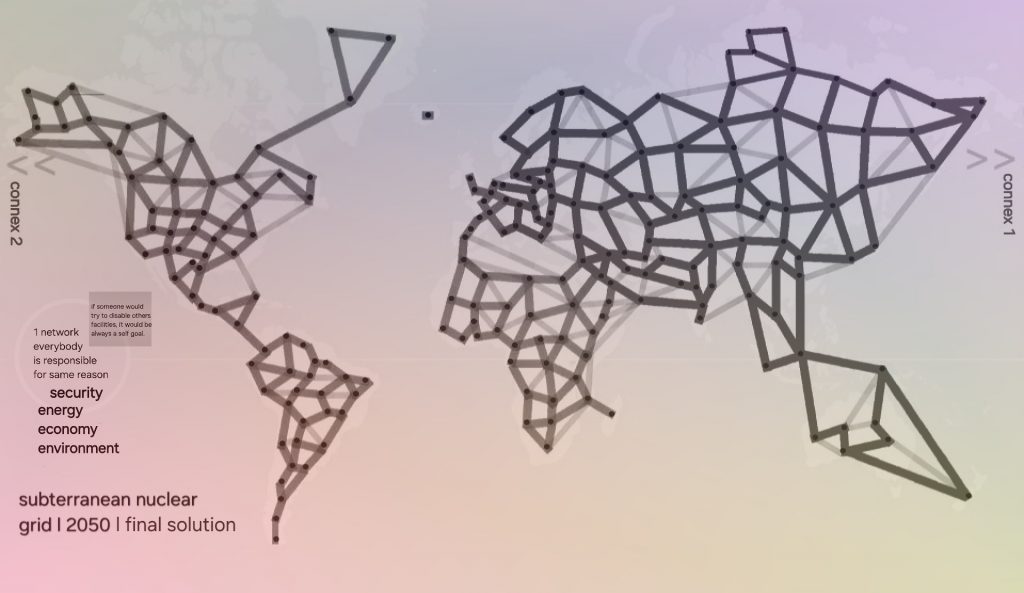
Parallel operated by placing same standardized versions of Vertical Hybrid Energy Towers around the globe with principally almost indefinite expanding potential and development options, no matter where or which meteorological conditions, the most stable network with the highest possible grade of efficiency and most less environmental damage impact would be finally reality.
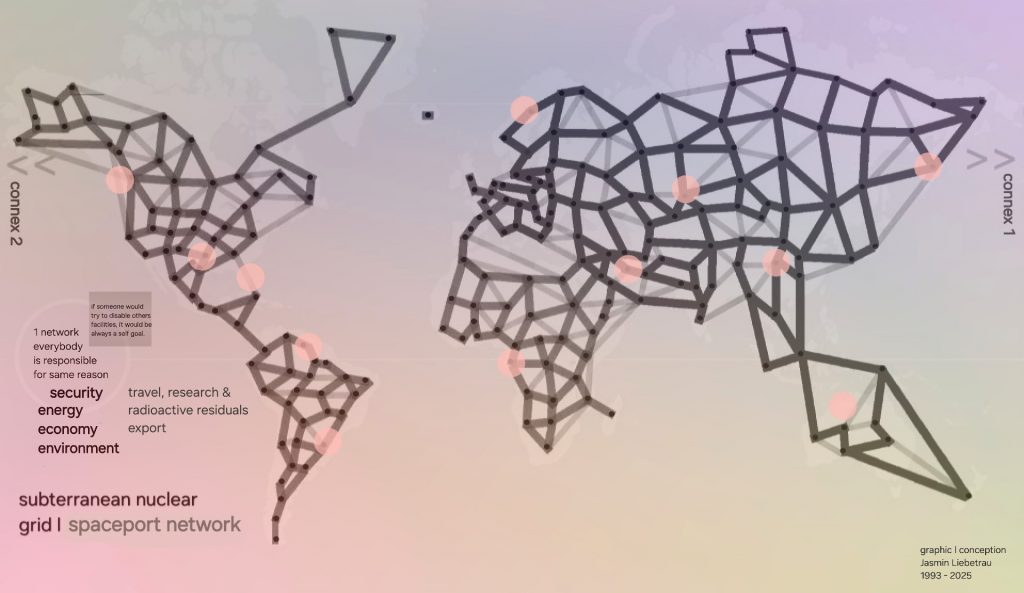
ß-plan concept > Summary
2026 © Jasmin Liebetrau I Concept I Vertical Hybrid Power Tower – Piling up for Space
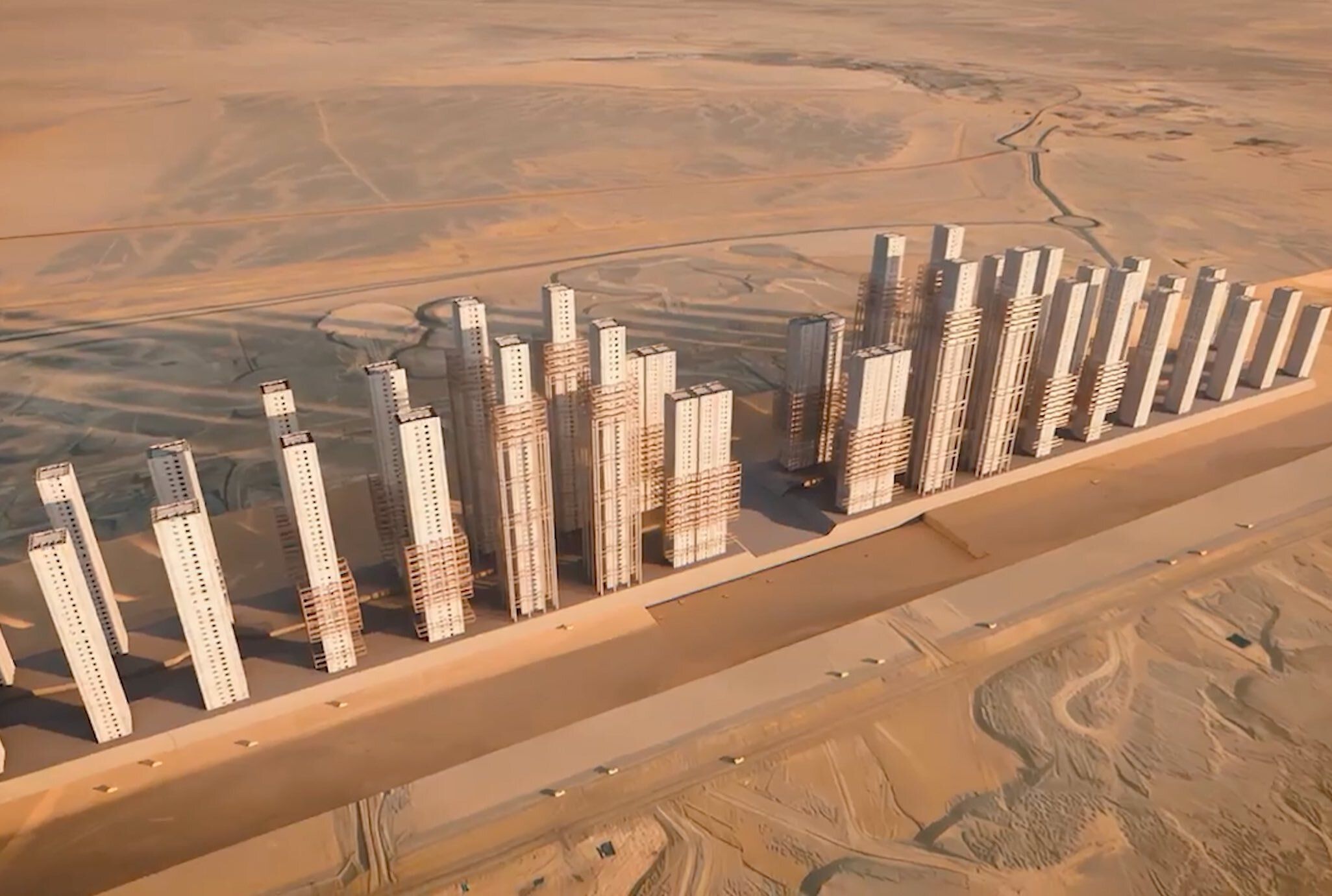
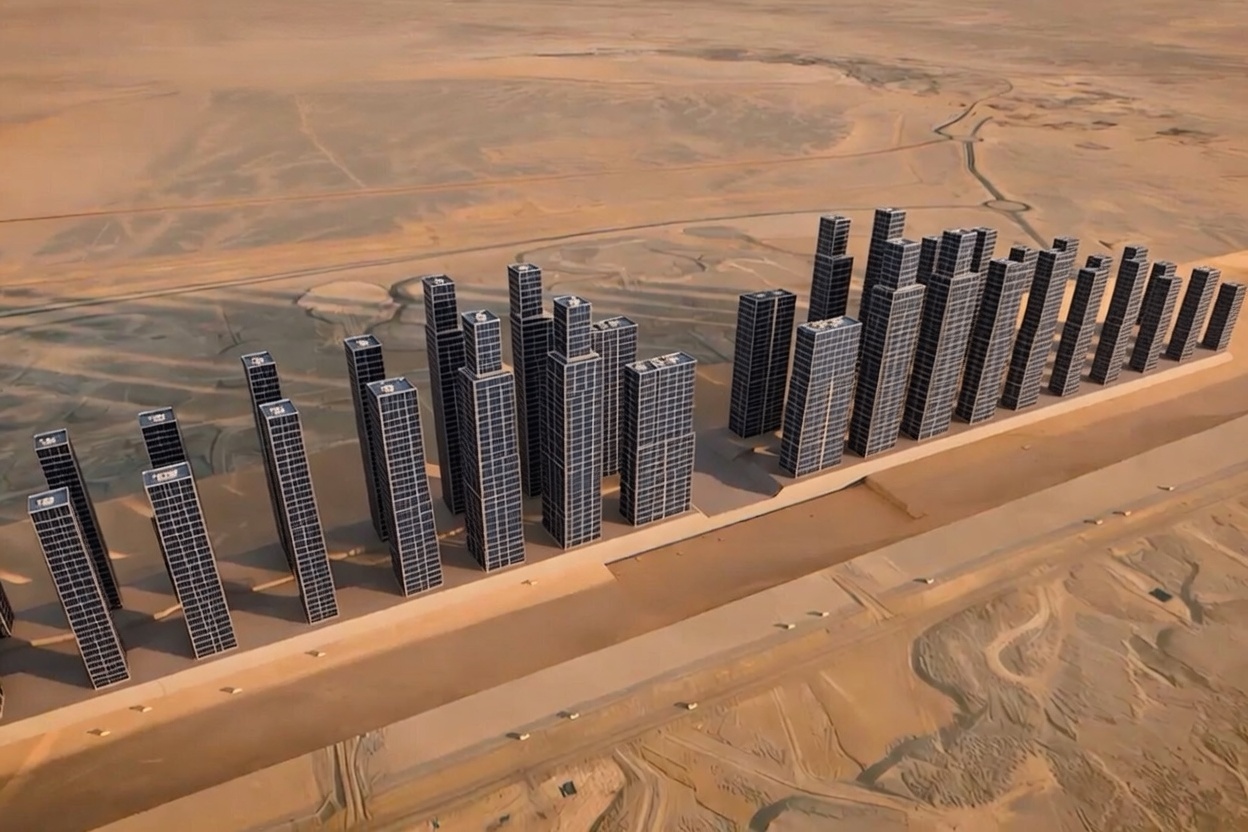
The tower formation is arranged in a single line with smoothly descending heights from left to right, evoking a physical bar chart to attract during a 1d/24h period varying UV- light concentrations from all directions with the most possible best result at different levels to generate efficiently GWh portions. Theoretically are rotating instead of static installations possible, which assume a different kind of basis construction. To tarnish the critical permanently functional nuclear reactor unit work subterranean placements the best, especially in high temperature zones. where the surface is 20- 30% hotter at day time, than a couple of meters below. Sand storms or rain/snow periods as influencing factors can be ergo excluded this way, which is as quasi preventive modification, more suitable and safer, to avoid possible damages caused by vandalism or attacks in weaponized conflict situations, compared to conventional standard installations.
Because of the vertical orientation of the tower units, it can be additionally guaranteed, that dust, water, hailstones, snow and mud will always simply slide down by gravity, and at the same time the surrounding areas on the ground are not unnecessarily extra heated. Higher temperatures are the propagated main argument to consider renewables trends, but are inefficient, if illogical installed as soil cooking carpets. A paradox. Better is to apply and use physical effects super smart.
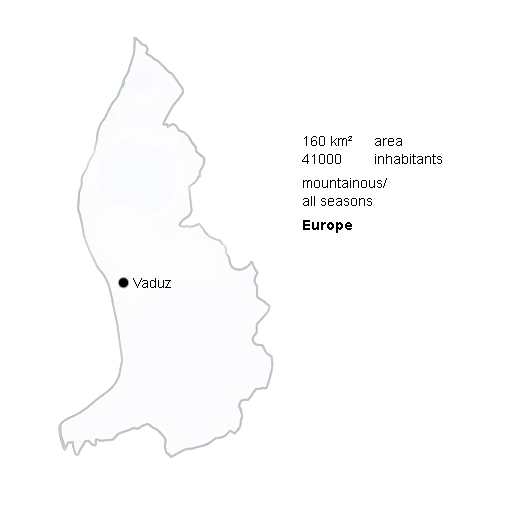
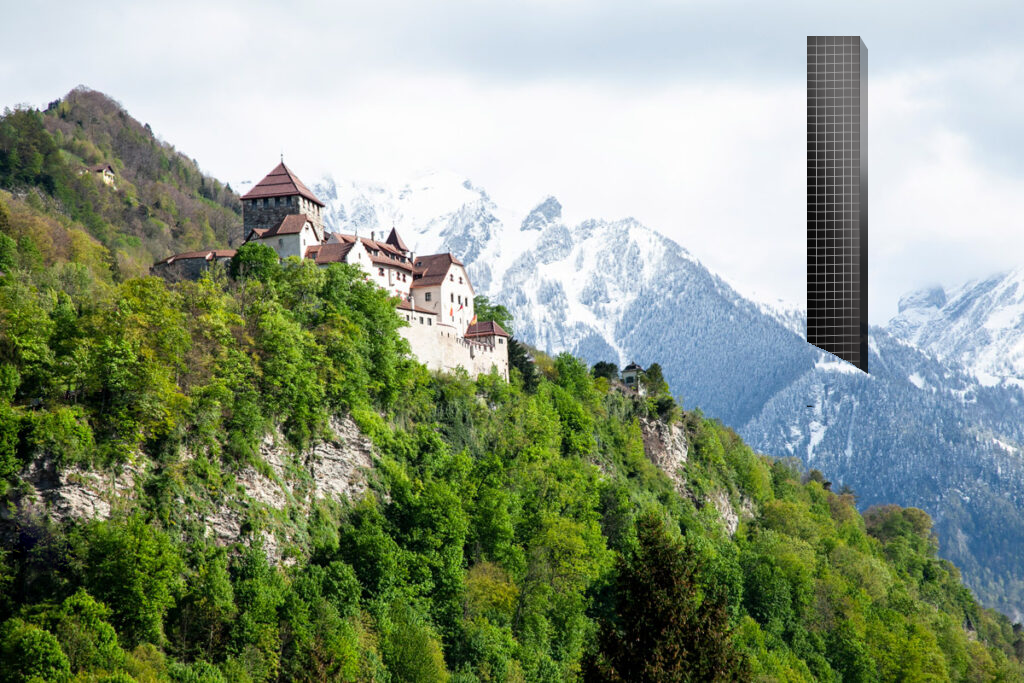
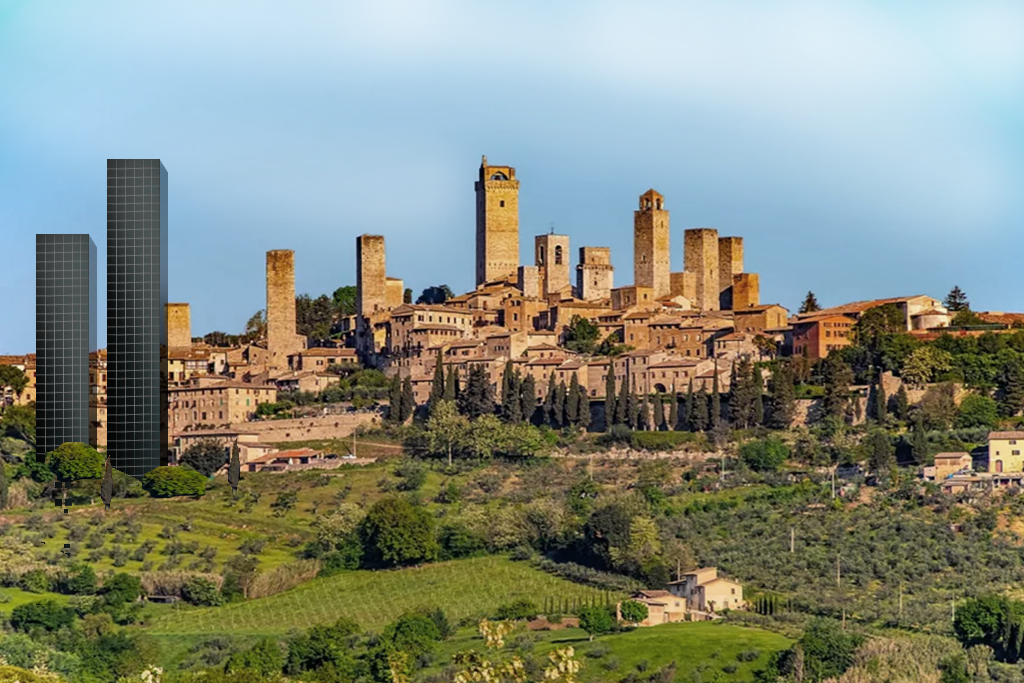
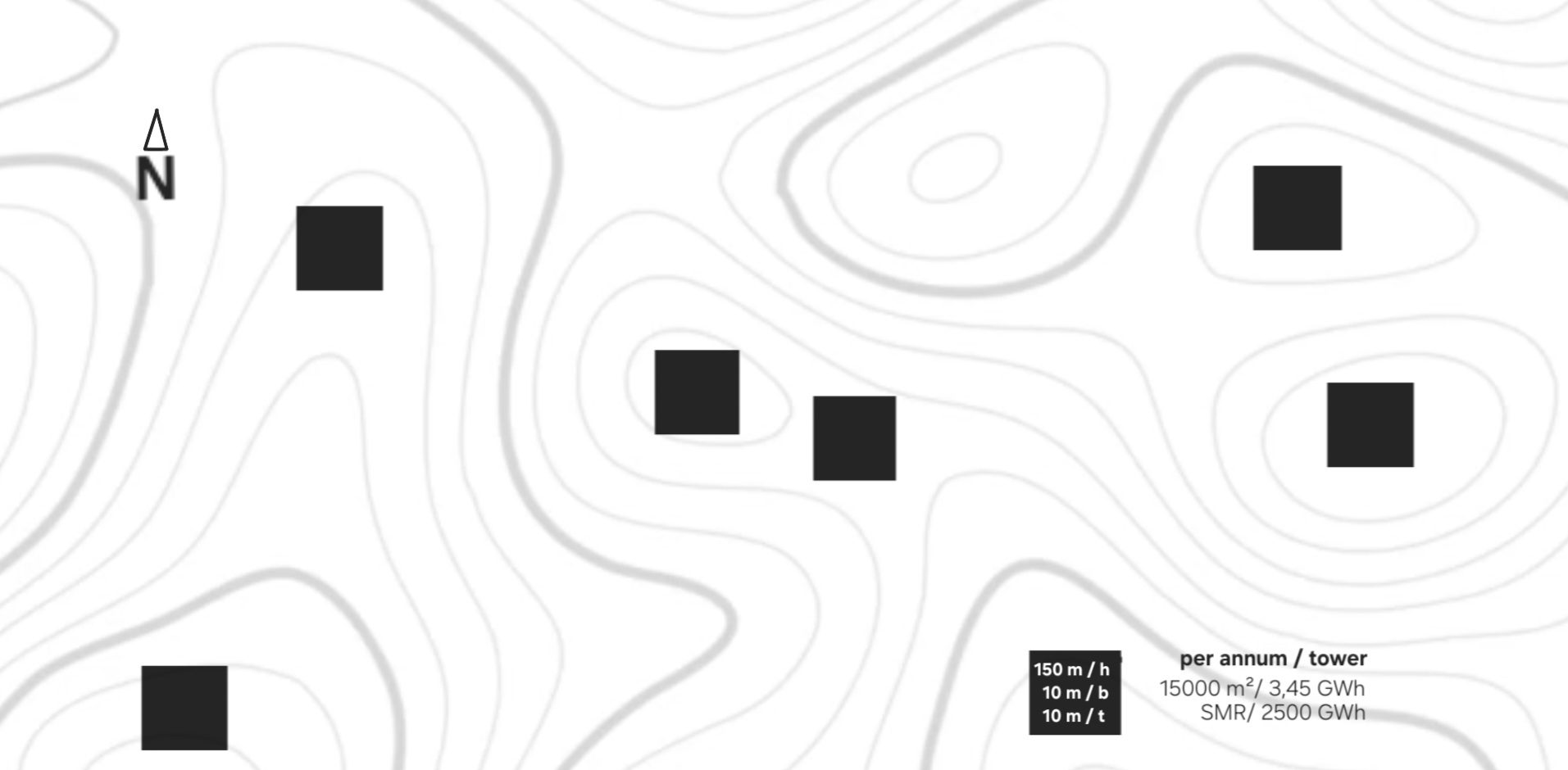
Protection of Cultural Heritage is primarily based on damaging factors prevention, conservation of an objects substantial status quo like stopping aging processes, avoiding environmental, intentional or accidental exposures and preparing concepts to preserve it in its original appearance for future generations. Therefore renovating efforts should always exclude, especially in the field of architecture, additional applications, which could cause disadvantages, if for examples surfaces, coatings or patina are invasive treated. Technical modernizing installations are better to place next to – not directly on, in or at historical objects, sites, ensembles or monuments.
The most beneficial aspect is, that tower units are suitable to replace conventional extremely noisy wind turbines, respectively offshore wind parks, which are still installed directly into the sea at coast lines, where the in situ impact on environment can be literally described as decibel catastrophe for maritime life forms. Algae mats, jellyfish infestations, warming waters, coral bleaching, etc. are just some of the consequences when one or more species become extinct or have to change their habitat, because of permanently negative influencing technical additions, which cause for example under water sound transmissions at distances of several kilometers.
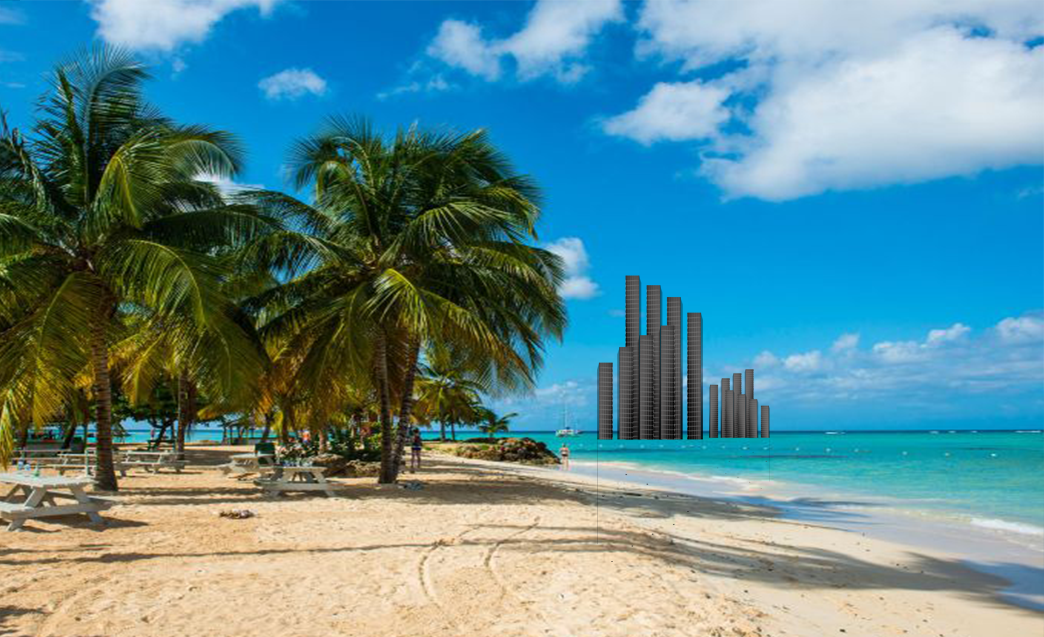
The most challenging environments to implement photovoltaic technologies with usually statistically viewed most less impact related to nominal demand by number of inhabitants to serve- are of course urban population conglomerates from up to 30 million people like in metropolitan regions or mega cities with suburban districts. To outwit the mostly low level based panel application standard with 0 > 30% UV – attracting potential in average, only sky scraping records from 0,5 km would work efficiently here. Exceptionally night times or meteorological unsuitable periods, which are ~ 40 – 50% per annum in average, regarded as normal circumstances. But by simply piling up as much as levels possible per building, as much can be potential improvements in urban surroundings expected. Also here the hybrid 2- component versions combined with included SMR installation are the most reliable and sustainable option to reach an efficient coverage and to reduce efficiently carbon emissions.
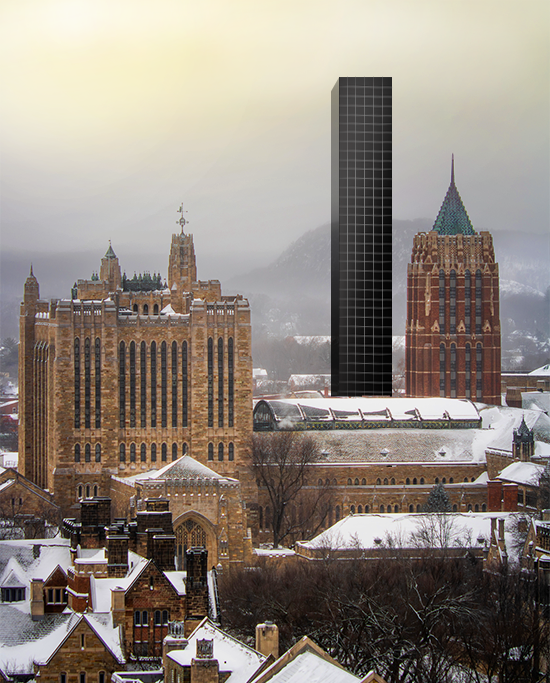
Modifications after recalculation of already existing similar installations, which do not meet the complete criteria catalogue of optimal standards yet, for example in the category of parametrical correlating relations such as efficiency, costs, long term effects on environment, like impact on soil health, species extinction risk and grade of space waste in general, but also costs of reversibility, recycling and renaturation measurements – are suitable to optimize to align with the final technical up date as described in the concept. Modified after uses for energy supply purposes – each tower can be simply morphed into habitation units.
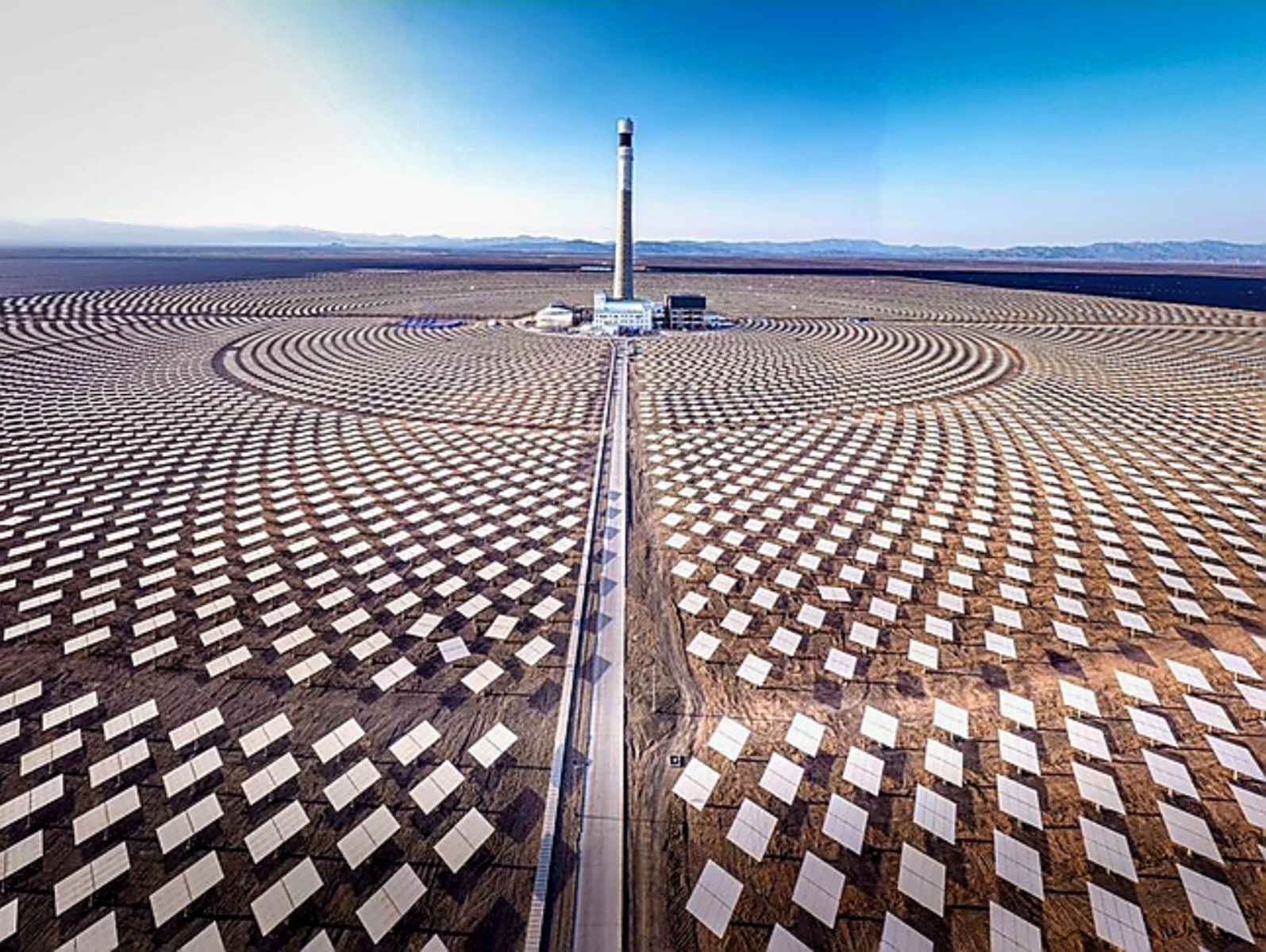
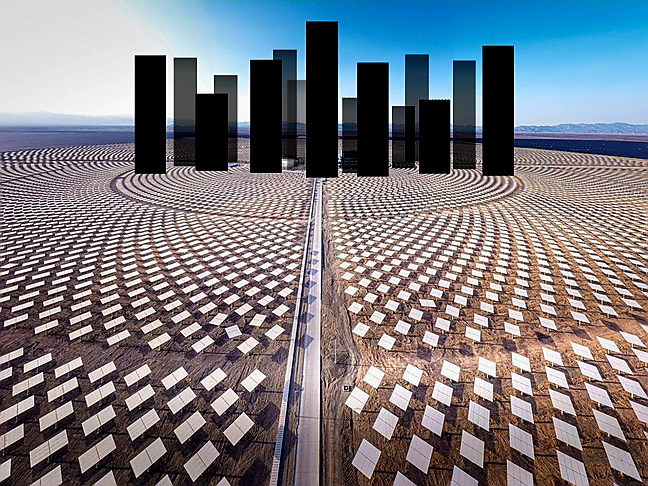
Inhabitation, while used as energy supply source is not recommended, because of its basic function- which comes with the risk becoming target in weaponized conflicts. – Subterranean installations, like it is principally possible for nuclear power plants – are more suitable to meet protection efforts. Photovoltaic does not work without special exposition, which is the main deficit, but basis of this technology at the same time. The benchmark and starting point for all calculations—now and in the future—is always the tallest building in the world at that time. The higher solar panel installations are placed, the more effective. The closer attached to Earth’s surface, the less effective.
2026 © Jasmin Liebetrau I Concept I Vertical Hybrid Power Tower – Piling up for Space (All illustrations are examples to chart potentials and kinds of application modification based on reviewed known technologies to avoid further wrong investments with regard to efficiency and cost calculation in advanced near future developments.)
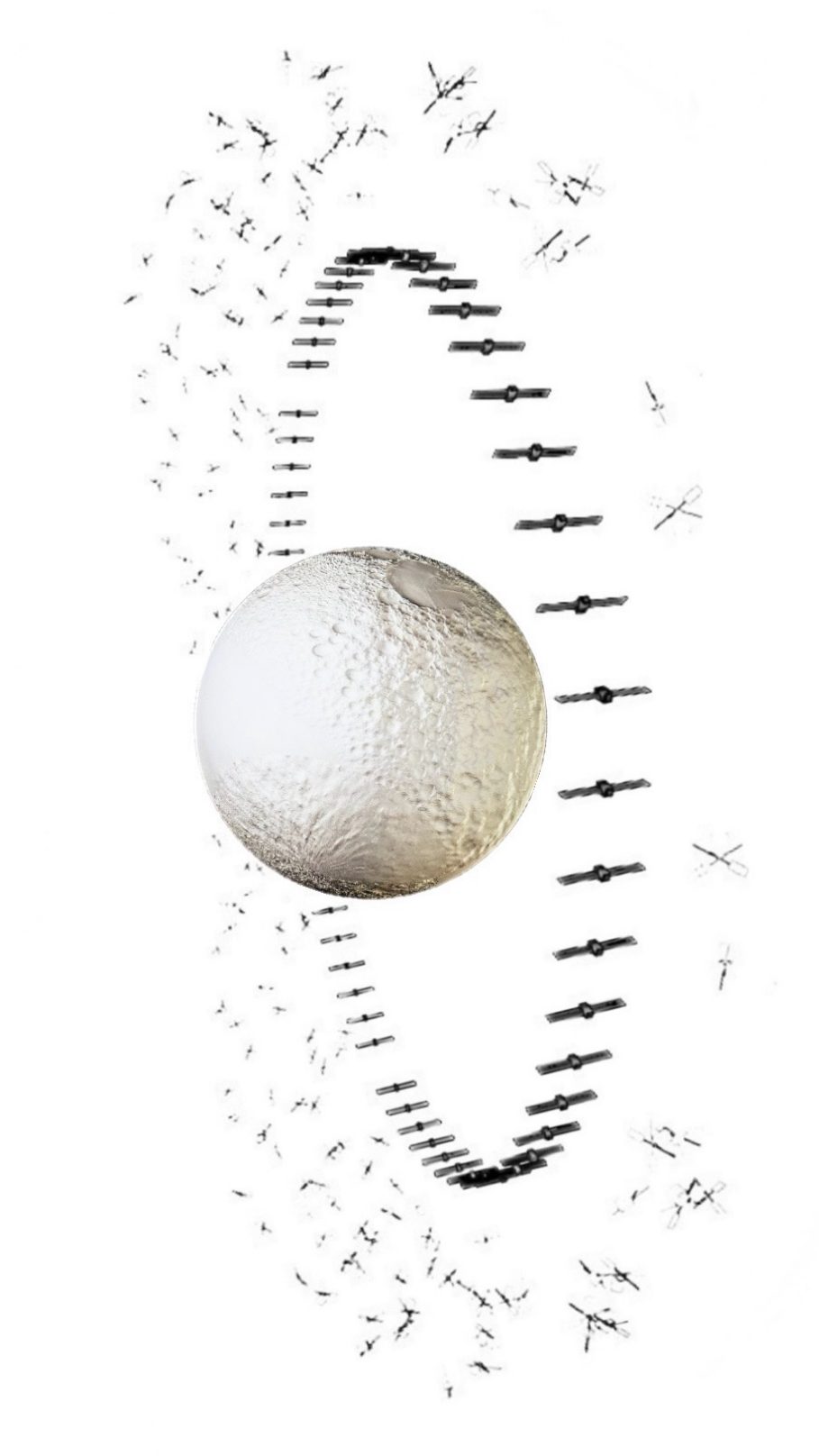
Current, very interesting efforts to develop more efficient solar technology, actually primarily used for operating technical components in space, or developments of alternative secondary uses to supplement systems already installed and operated on Earth, such as unmodified, horizontal applied space-consuming solar parks and offshore wind turbines that have been proven to damage marine habitats on Earth , are of course equally noteworthy. The technology described as SBSP (Space-based Solar Power) can be used as a supplement, but has several disadvantages compared to the more reliable in-situ operation directly on and below the Earth’s surface as a nuclear-solar variant. The hybrid variant with included subterranean nuclear plants, combined with supraterranean additive solar technologies, which, when needed, reliably guarantees a stable energy supply as an additional source in the ‘Vertical Hybrid Energy Tower Concept’ in the event of downtime.
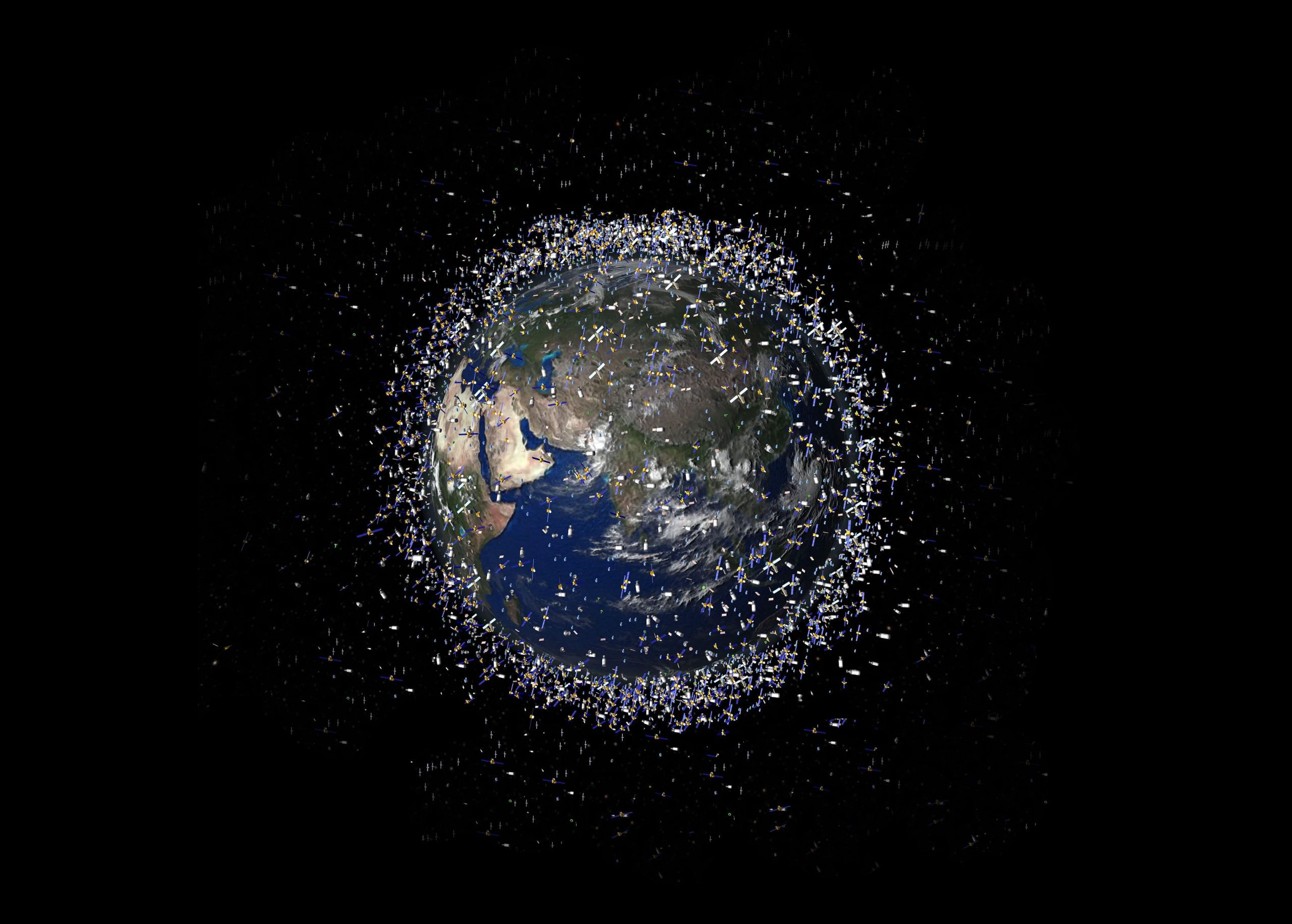
Focusing on just one source does not correspond to the projected, calculated global energy consumption for 2050, which is estimated at the demand and needs of 10 billion people. The basis for a homogeneous, functional energy infrastructure can only be guaranteed by nuclear energy, which is therefore practically the only option. SBSP, as a further experimental technology without empirical values or tested variants that can be reliably applied in the near future, would not meet the enormous future requirements in this short time interval, from a mathematical and rational point of view. In addition to maintenance-intensive, sabotage-resistant operation, the so-called space debris, which is the main factor in trouble-free satellite operation, means that there is an exponentially increased risk of collision, even with extraterrestrial, non-manoeuvrable celestial bodies, and sporadic to permanent blackouts would be inevitable. Would be standardized, space based solar sources really more resistant, than earth installations, (still not modified, after the recently by Jasmin Liebetrau published 2026 renewables revision), related to costs of installation, operation, delivery reliability and duration time?
___________________________________________________
This work is not related to the German Green Party or similar governmental or non governmental organizations or any other person, person on behalf or person, who believes to be part of the design, elaboration, respectively invention process and is completely self elaborated Intellectual Property of Jasmin Liebetrau. (1993 – 2026) Texts and summarized information as provided are partly generated with https://www.deepseek.com/en/, Grok./ https://x.com/ and https://www.deepl.com/de/translator to compare results and to complete synonym diversity Graphics and visual illustrations are designed with different technics like photo collages using vector software programmes and design tool installations on different devices, like tablets, phones or laptops.
!! In case of you feel addressed or should be interested in Jasmin Liebetrau’s concepts, do not hesitate to use the contact information, provided on this portfolio page. Unauthorized use or other efforts to monetize this concept (also if detected later), no matter if EU, UN, etc. and/or subordinated entities, countries and its officials in particular or other private companies, organizations, official organizations or other legal bodies, individual persons or formation of persons as legal body, etc. – everybody has explicit and directly to ask for permission. Unfortunately this additional information is still necessary, after many cases of IP theft. If there should exist misunderstandings, what this means in particular, how to handle clearly assignable Intellectual Property (IP) of others, you will find useful instructions in the § Privacy Policy information under
9. Authorship and intellectual property on info.jasminliebetrau.com/. More detailed patent descriptions and related information can also be provided upon request using the contact details provided and by appointment.
___________________________________________________
The vertical power tower concept was elaborated from 2014 – 2026 by Jasmin Liebetrau without any assistance or in collaboration with other organizations and was published by herself in 2026.
All mood pictures, collages and example visuals are illustrations, which were manually designed and/ or photographed and are intellectual property of Jasmin Liebetrau, as well. (Please note. Not all was published yet, to avoid copy cats. This work was created without being part of artificial intelligence projects of others, independently and on my own without any contributors or assistance. The translation tool from https://www.deepl.com/de/translator was used for translation and wording purposes. This work was neither commissioned, nor instructed, nor politically motivated. The topic addressed does not represent any religious or ethnic preference, nor does it constitute a declaration of affiliation.
This concept was developed for the benefit of the world’s population and to prevent future conflicts, and may only be used in exchange for payment, under a license, or with my express permission, in order to prevent the emergence of monopolies, economic terrorism, and extortion in the future. Similar projects and partial modifications (although, due to the uncompromising nature of the design as visualized there is or can -practically no leeway for design variations; I did not yet already describe and have been visualized- both terrestrial and extraterrestrial applications) that incorporate the principle of verticality and the principle of mobility require my consent. If authorization is not presented to me in a legally valid form, or if I am unable to provide a corresponding identical version, I may personally determine that this constitutes a copyright infringement and theft of intellectual property. I may also grant authorization retroactively after I have determined that a copyright infringement or a violation of my economical exploitation rights has occurred.
Thank you very much for paying attention. Sincerely, – Jasmin Liebetrau